


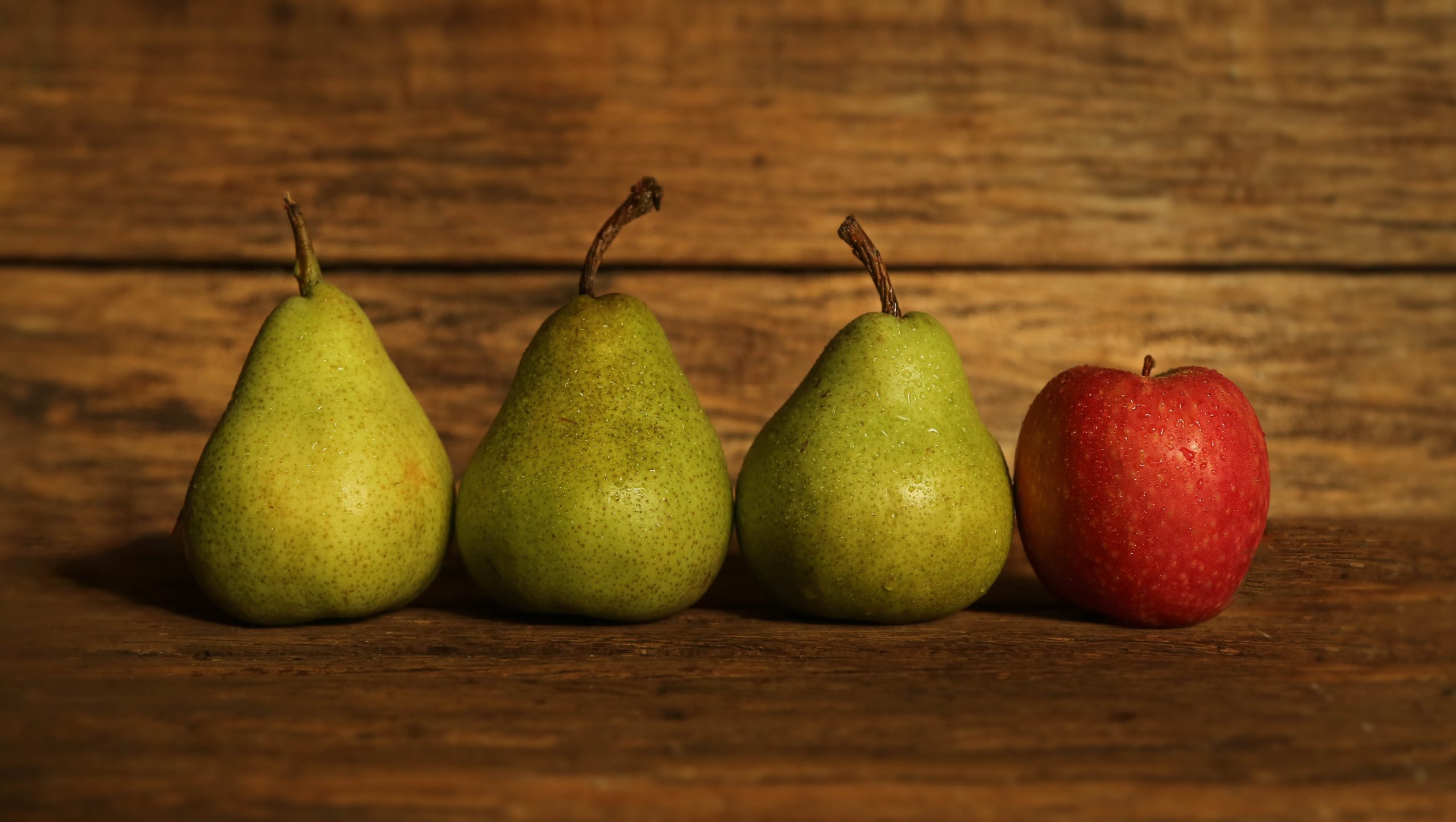
The Return of the Strange
“Verily, Islam began as something strange and it will return to being strange just as it began. So glad give tidings to the strangers.” — Sahih Muslim, 146
The Prophet ﷺ said what he said. This article is not going to unpack the hadith theologically or trace its eschatological implications. That is a conversation for another time and another setting.
What this article wants to do is simpler: use it as a mirror. Hold it up to the world we are actually living in, in 2026, and ask honestly, does this feel true? Is Islam, lived in its full and genuine sense, strange again? And if it is what does that say about where we are?
What Strange Meant Then
When Islam arrived in 7th century Makkah, it was strange in a specific sense. It did not merely introduce new prayers and prohibitions. It disturbed everything it touched the social order, the tribal hierarchy, the economic and justice systems. It said things that powerful people did not want to hear. It demanded things that comfortable people were not prepared to give.
Strange, here, did not mean obscure or fringe. It meant disruptive. It meant that this way of living stood out so sharply against everything surrounding it that the people in power could not ignore it or laugh it off. They had to persecute it. Because something genuinely strange, in this sense, poses a challenge to the way things are.
That strangeness was not a weakness. It was the point. And from that small, persecuted, strange community in Makkah grew a civilisation that became the intellectual and moral reference point of the world leading in medicine, mathematics, governance, law, architecture and philosophy for centuries. The strangeness of the beginning produced the gold standard of the middle.
Then, gradually, things changed. The civilisation eroded and became fragmented. And Muslims, across generations and without noticing, stopped measuring themselves by the standard Islam had always offered and began measuring themselves by the standards of whatever world surrounded them instead.
What We Are Measuring Ourselves Against Now
In 2026, the dominant framework for a successful life in Britain, in the West, and increasingly across the world is fairly consistent. You work hard at school. You climb a career ladder. You accumulate financial security. You build a comfortable life, a respectable reputation, a social standing that others can see and acknowledge. You curate an image. You protect your brand.
None of these things are inherently wrong. Hard work is honourable. Financial responsibility is encouraged in Islam. Providing well for your family is an act of worship. This article is not arguing against ambition or professional achievement.
But here is the question worth sitting with: for most Muslims living in Britain today, are these things the frame within which Islam sits or is Islam the frame within which these things sit? Because those two arrangements look similar from the outside, but they are oriented in completely different directions.
When career, status and wealth are the primary architecture of a life, and Islam is accommodated within them prayed when convenient, observed when it does not cost too much, carried as a label rather than lived as a total orientation then Islam has been domesticated. It has been made comfortable. It has been made, in the truest sense, no longer strange.
And a domesticated Islam does not disturb anything. It does not challenge the world around it. It does not stand out. It simply coexists, quietly, alongside everything else.
The Strangeness Has Inverted
In Makkah, Islam was strange to those outside it. The disbelievers heard something new and disruptive and they rejected it. But within the believing community, there was coherence. The Muslims knew what Islam asked of them. They lived it, even at extraordinary personal cost, and they recognised each other as people oriented toward the same thing.
In 2026, something different is happening. Islam lived in its full sense genuinely, not performatively has become strange to everyone. Including Muslims.
It is strange to want to live as a Muslim. It is strange to want to have Islamic aspirations. It is strange to give your life to the deen, to a mission. It is strange to make sacrifices for something most people around you do not understand.
And the most significant thing about that list is not that non-Muslims find it strange. It is that Muslims do too. The person who genuinely organises their life around submission to Allah who measures their success by closeness to Allah rather than career progression, who invests their time and wealth in the Ummah rather than in personal accumulation, who aspires to the character of the Prophet ﷺ and the Sahabah rather than to the lifestyle sold to them by the world around them that person is looked at with a kind of puzzled discomfort even within Muslim communities.
Too intense. Too idealistic. Too religious. Too strange.
In Makkah, the strangeness was external the world looking in at the believers with suspicion. Today, the strangeness has inverted. It is internal. The fully-committed Muslim is as unfamiliar inside the mosque as they are outside it.
Why This Matters
This is not an argument for withdrawal from the world or rejection of professional life. The great Muslims of history were merchants, scholars, soldiers, governors, doctors, architects and scientists. Islam was never a call to leave the world behind. It was a call to engage with it differently — with a different ultimate purpose, a different definition of success, a different understanding of what your time and your talents are ultimately for.
What has been lost is not the activity. It is the orientation. The Muslim professional who brings genuine integrity and purpose to their work, who understands their career as a trust rather than a trophy, who uses their financial position in service of something larger than themselves that person is not strange in the negative sense. They are strange in exactly the sense the Prophet ﷺ described. Standing out. Oriented differently. Living by a different reference point.
But that version of Muslim life requires something that is genuinely difficult in 2026: the willingness to be measured by a standard that most of the people around you Muslim and non-Muslim alike are not using. To aspire to something that the culture around you does not recognise as aspirational. To be, in a word, strange.
Glad Tidings to the Strangers
The hadith does not end with a warning or a lamentation. It ends with a promise. Glad tidings to the strangers.
Not sympathy. Glad tidings. The same language used for genuine joy, genuine good news. The Prophet ﷺ is not saying that being strange is something to endure. He is saying it is something to be recognised as a sign.
If you find yourself in 2026 genuinely aspiring to live as a Muslim not as a cultural label, not as a Saturday morning ritual, but as a total orientation of your life toward Allah and that aspiration feels out of place, unusual, not quite normal even among the people who share your faith then perhaps that feeling is not a problem to be solved. Perhaps it is a confirmation.
The deen was always going to feel like this again. The Prophet ﷺ told us so. The question is not how to make it feel less strange. The question is whether you are willing to be one of the strangers.
And if you are — then the glad tidings are for you.
Glad tidings to the strangers.